How to Prepare for International Teaching Jobs Through Online Certification Courses?
An International Teaching Diploma can help educators prepare for global teaching careers by developing professional knowledge, classroom skills, and confidence. It can be combined with relevant teaching experience, professional development, cultural awareness, and career preparation to improve readiness for international education opportunities.
Introduction
International teaching offers educators the opportunity to work with students from different cultures and educational backgrounds. Preparing for these positions requires more than classroom experience. Teachers should develop professional knowledge, communication skills, adaptability, and an understanding of diverse learning environments.
Flexible education can be especially useful for working teachers and parents. Online Teacher Training allows learners to develop professional knowledge remotely while managing existing work and personal responsibilities.
Section 1: Understanding International Teaching Preparation
International schools can include students from different countries, languages, cultures, and educational systems. Teachers therefore need to understand how to adapt their classroom practices to different learner needs.
Teachers working with diverse learners need strong cultural awareness and communication skills. International Teacher Training can help educators understand how cultural differences may influence classroom interaction and student participation.
Section 2: Steps to Prepare for International Teaching Jobs
1. Identify Your Career Goal
Begin by deciding what type of teaching position you want to pursue. Think about the age group, subject, curriculum, school type, and country that match your interests and experience.
An International Teaching Diploma should support your intended career direction. Before enrolling, consider whether the course content matches the skills you want to develop.
2. Research Your Target Country
Teaching requirements can vary significantly between countries. Some employers may expect particular qualifications, experience, language skills, registrations, or other professional requirements.
International Teacher Training Course can support your professional development, but it should not be treated as a replacement for checking the specific requirements of your target country.
3. Compare Certification Programs
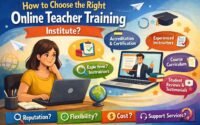
Do not select a program simply because it has a convenient study format. Review the curriculum, duration, assessment methods, learner support, course structure, and certification information.
An International Teacher Training Course should contain subjects that are relevant to your professional goals. Practical topics can be especially useful when preparing for real classroom responsibilities.
4. Develop Classroom Management Skills
Strong classroom management helps teachers create a positive and organised learning environment. Educators should learn how to establish expectations, manage activities, encourage participation, and respond appropriately to classroom challenges.
Online Teacher Training can help educators study classroom management strategies through flexible learning. Teachers can explore different approaches and consider how they could be applied in their own classrooms.
5. Build a Professional Portfolio
A professional portfolio can demonstrate your teaching knowledge and practical abilities. Include your CV, qualifications, lesson plans, teaching philosophy, classroom activities, achievements, and professional development records.
An International Teaching Diploma can be included in the qualification section of the portfolio. Supporting the qualification with practical evidence can provide a clearer picture of your professional abilities.
6. Develop Cultural Awareness
International educators may work with students and families who have different cultural traditions, languages, and expectations. Respectful communication can help create stronger relationships within the school community.
International Teacher Training can help teachers explore multicultural education and develop strategies for creating more inclusive classrooms.
7. Prepare for Interviews
International school interviews may include questions about classroom management, lesson planning, student engagement, assessment, teamwork, and problem-solving. Candidates should prepare examples from their teaching experience.
An International Teacher Training Course can help educators develop the knowledge needed to explain their teaching decisions clearly during professional interviews.
Section 3: Examples and Use Cases
Example 1: Experienced Teacher
An experienced teacher may already have strong classroom skills but want to strengthen their qualifications before applying internationally. An International Teaching Diploma can provide a structured opportunity for further professional development.
Example 2: Teacher Seeking New Skills
A teacher may want to improve their ability to work with students from different backgrounds. International Teacher Training can help the educator explore multicultural teaching practices and inclusive classroom strategies.
Example 3: Aspiring Educator
Someone preparing to enter the education profession may need a structured introduction to teaching concepts. An International Teacher Training Course can help develop knowledge of classroom practices and educational methods.
Example 4: Busy Working Teacher
A teacher may have limited time because of work or family responsibilities. Online Teacher Training can provide a flexible study option that fits around existing commitments.
Section 4: Benefits and Outcomes
Stronger Professional Knowledge
Professional qualifications can help educators organise their understanding of teaching and learning. An International Teaching Diploma can support continued professional development and career planning.
Better Multicultural Awareness
International classrooms require educators to understand and respect different backgrounds. International Teacher Training can help teachers develop awareness of diverse learners and inclusive educational practices.
Practical Teaching Skills
Teachers need to apply educational knowledge to real classroom situations. An International Teacher Training Course can introduce practical approaches to lesson planning, classroom management, assessment, and student engagement.
Greater Flexibility
Professional development can be difficult for people with demanding schedules. Online Teacher Training provides a flexible way to continue learning without necessarily attending physical classes.
Increased Career Confidence
Professional preparation can help educators feel more confident when applying for new positions. An International Teaching Diploma can become one part of a broader career-development plan.
Section 5: Common Mistakes
Choosing a Course Too Quickly
Educators should compare programs before making a decision. An International Teaching Diploma should be evaluated based on curriculum, learning outcomes, assessment, and relevance to the intended career path.
Ignoring Cultural Preparation
Teaching internationally requires more than subject knowledge. International Teacher Training can help educators understand the importance of cultural awareness and inclusive classroom communication.
Focusing Only on Theory
Professional learning should connect knowledge with classroom application. An International Teacher Training Course should ideally include practical teaching concepts that educators can apply in real situations.
Poor Time Management
Flexible learning still requires commitment and organisation. Online Teacher Training students should create a realistic study schedule and set regular learning goals.
Applying Without Research
Teachers should research schools carefully before submitting applications. An International Teaching Diploma may strengthen a professional profile, but candidates should still check whether their qualifications and experience meet the requirements of each position.
Section 6: Tools, Tips, and Frameworks
Use a Career Readiness Checklist
Create a simple checklist covering qualifications, teaching experience, portfolio development, country requirements, interview preparation, and professional skills.
An International Teaching Diploma can be listed under the qualification section of this checklist and reviewed alongside your other career requirements.
Use AI for Interview Practice
AI tools can help educators practise interview questions, develop classroom scenarios, improve professional wording, and prepare responses to common teaching questions.
International Teacher Training can provide the educational knowledge that helps educators evaluate AI-generated teaching suggestions before using them professionally.
Improve Your Professional Portfolio
Keep your teaching materials organised in one digital folder. Include lesson plans, activities, certificates, professional development records, and examples of successful classroom work.
An International Teacher Training Course can provide additional learning activities and projects that may contribute to your professional development record.
Create a Weekly Learning Schedule
Divide your professional development into manageable tasks. Set specific goals for reading, assignments, practical activities, revision, and career preparation.
Online Teacher Training becomes easier to manage when learners create consistent study habits rather than leaving coursework until the last minute.
Follow the Learn–Apply–Document Framework
The first stage is to learn a useful teaching concept. The second stage is to apply it through classroom practice or a teaching activity. The final stage is to document the result and identify areas for improvement.
An International Teaching Diploma can become more valuable when the knowledge gained from study is connected to practical teaching experience.
Key Takeaways
- An International Teaching Diploma can support professional preparation for international teaching careers.
- International Teacher Training can help educators understand multicultural classrooms.
- An International Teacher Training Course can develop practical teaching knowledge.
- Online Teacher Training offers flexibility for working educators and parents.
- Teachers should research country-specific requirements before applying for jobs.
- Professional experience should complement formal qualifications.
- A strong teaching portfolio can support job applications.
- Cultural awareness is important when working with diverse learners.
- AI tools can support interview preparation and professional development.
- Consistent learning and practical application can improve career readiness.
FAQ Section
Preparing for an international teaching career requires thoughtful planning, relevant qualifications, practical experience, and continuous professional development. Educators should begin by identifying their career goals and understanding the requirements of their preferred teaching destination.
An International Teaching Diploma can provide a structured foundation for professional development. Combining formal learning with classroom experience, cultural awareness, technology skills, and effective communication can create a stronger career profile.
Whether you are an experienced teacher, an aspiring educator, or a professional looking for a new direction, choosing the right training program can be an important step. Explore suitable certification options, build your professional portfolio, and continue developing the skills needed for today’s diverse classrooms.