How to Teach Phonics Using Montessori Methods at Home or School?
Introduction to Montessori Teacher Training and Phonics Teaching
Educators and parents today are increasingly choosing Montessori Teacher Training to master effective phonics instruction. Whether you are teaching at home or in a classroom, Montessori phonics methods help children learn faster because they combine movement, sound, and sensory experiences.
In this comprehensive guide, you will learn how to teach phonics using effective Montessori techniques, understand the full course structure, explore rewarding career opportunities, and discover how to begin your journey in professional online training.
Understanding the Origins of Phonics and Montessori Education
Who Started Phonetics and Why It Matters
Modern phonics instruction evolved from early linguistic studies in the 18th and 19th centuries. Scholars such as Noah Webster and later educational psychologists helped popularize phonetic reading methods. The goal was simple: teach children to decode words by understanding sound patterns rather than memorizing whole words.
Phonics became especially important in early childhood education because it:
- Builds strong reading foundations
- Improves spelling accuracy
- Enhances pronunciation skills
- Supports independent learning
Today, Teaching Phonetics Online and in classrooms remains a core literacy strategy worldwide.
Who Founded the Montessori Method and When
The Montessori method was founded by Dr Maria Montessori in 1907 in Italy. She was a physician and education reformer who believed children learn best through hands-on exploration and self-directed activity.
Her philosophy transformed early education by emphasizing:
- Child-centred learning
- Sensory-based teaching
- Structured independence
- Respect for natural development
Montessori phonics teaching fits perfectly within this framework because it allows children to learn sounds through touch, movement, and repetition.
Detailed Montessori Teacher Training Course Description
A high-quality Montessori Teacher Training Course prepares educators to teach phonics effectively using Montessori principles. The course combines theory, practical demonstrations, and classroom strategies.
Many learners today prefer Montessori Training Online because it offers flexibility while maintaining professional standards.
Core Modules Covered in Montessori Training Course
Most comprehensive programs include the following areas:
Foundations of Montessori Education
- Philosophy of Dr Maria Montessori
- Child psychology and development
- Prepared environment principles
- Role of the Montessori teacher
Montessori Phonics and Language Development
- Sound recognition techniques
- Sandpaper letters methodology
- Blending and segmenting skills
- Word building activities
- Reading readiness indicators
Practical Classroom Implementation
- Lesson presentation techniques
- Observation and assessment
- Classroom management
- Material handling
Teaching Phonetics Online and Offline
- Digital phonics tools
- Hybrid learning strategies
- Parent engagement methods
- Progress tracking
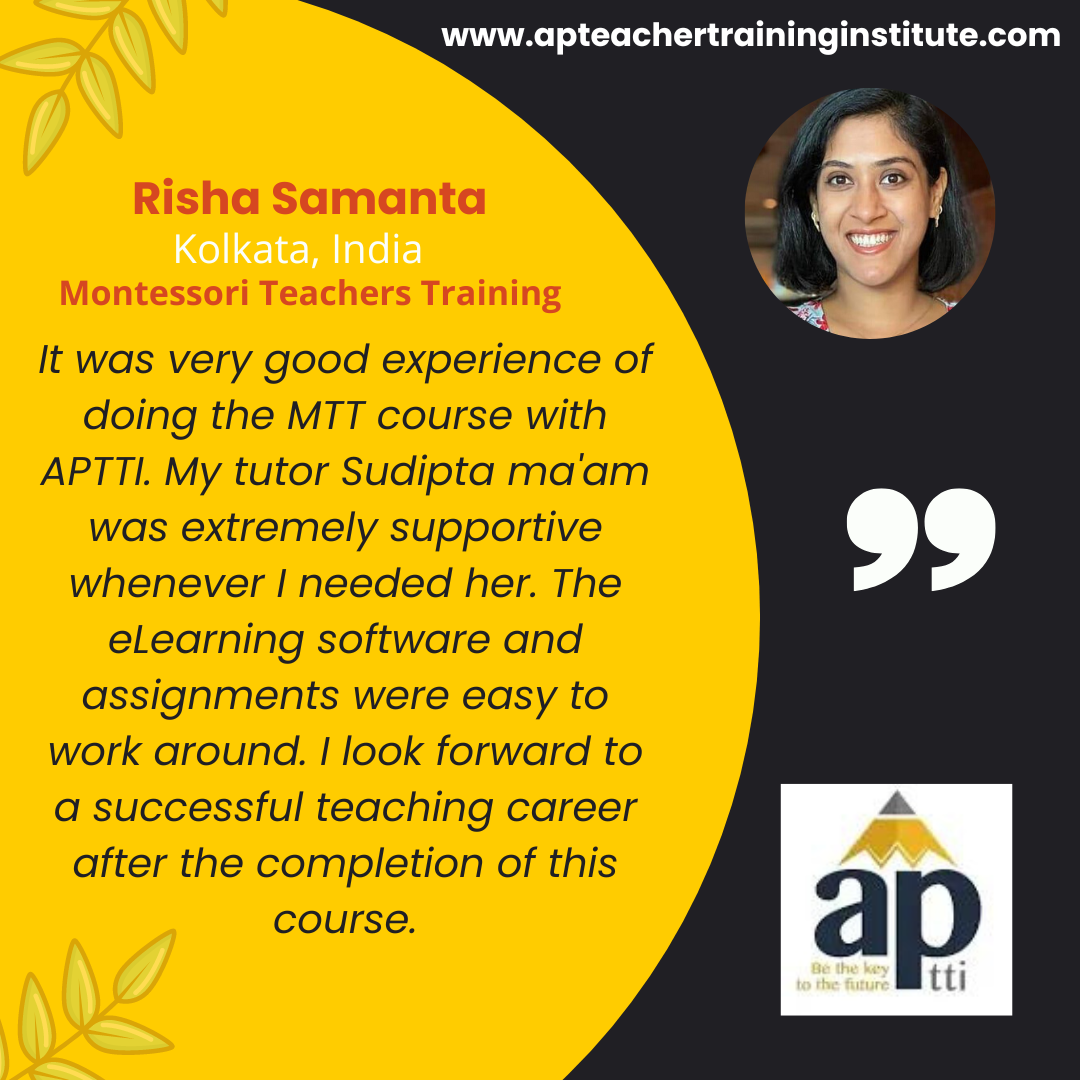
A well-structured course from Aspiring Professional Teacher Training Institute (APTTI) provides both theoretical knowledge and practical teaching confidence.
Why Montessori Phonics Works Better for Young Learners
The Montessori Training Course emphasizes that Montessori phonics stands apart from traditional rote learning because it follows the natural learning sequence of children.
Key reasons for its effectiveness include:
- Multi-sensory learning approach
- Focus on sound before letter names
- Hands-on materials
- Self-paced progression
- Strong foundation in reading
Children first hear sounds, then touch letters, and finally build words. This structured progression improves retention and understanding.
Step-by-Step Guide to Teaching Phonics Using Montessori Methods
Step 1: Prepare the Learning Environment
Before starting phonics lessons, create a calm and organized learning space.
Essential setup tips:
- Use child-sized furniture
- Keep materials accessible
- Maintain minimal distractions
- Ensure good lighting
A prepared environment supports independent exploration.
Step 2: Introduce Sound Awareness First
In Montessori phonics, children learn sounds before letter names.
Start with:
- Listening games
- Rhyming activities
- Sound matching exercises
- Environmental sound identification
This builds phonemic awareness naturally.
Step 3: Use Sandpaper Letters Effectively
Sandpaper letters are the cornerstone of Montessori phonics.
Teaching method:
- Show the letter shape
- Trace with two fingers
- Say the phonetic sound clearly
- Ask the child to repeat
- Practice recall games
This multi-sensory approach strengthens memory pathways.
Step 4: Move to Blending Sounds
Once children know several sounds, begin blending.
Practical activities:
- Sound baskets
- Three-letter word blending
- Moveable alphabet exercises
- Object-word matching
Blending helps children start reading independently.
Step 5: Introduce Word Building Activities
Word building is where phonics becomes functional.
Use:
- Moveable alphabet
- Picture cards
- Simple phonetic readers
- Dictation exercises
At this stage, children begin writing and reading confidently.
Step 6: Encourage Reading Practice Daily
Consistency is critical in Montessori phonics.
Daily routine should include:
- Short reading sessions
- Repetition of known sounds
- Introduction of one new concept at a time
- Positive reinforcement
Regular practice ensures mastery.
Materials Required for Montessori Phonics Teaching
Whether at home or school, you need specific materials.
Essential phonics materials:
- Sandpaper letters
- Moveable alphabet
- Sound boxes
- Object cards
- Phonetic readers
- Word lists
Many Montessori Training Online programs also teach how to create low-cost DIY materials.
Required Qualifications and Documents for Montessori Teacher Training
One of the biggest advantages of Montessori Teacher Training is its accessibility.
Minimum Educational Qualification
Typically required:
- Minimum 10+2 or equivalent
- Basic English proficiency
- Interest in early childhood education
Some advanced diplomas may prefer graduation.
Documents Needed for Enrollment
Common requirements include:
- Educational certificates
- Identity proof
- Passport-size photographs
- Application form
- Fee payment receipt
Institutes like Aspiring Professional Teacher Training Institute (APTTI) often provide simple online admission processes.
Benefits and Career Opportunities After Montessori Teacher Training
Completing a Montessori Teacher Training Course opens diverse career pathways in India and abroad.
Key Professional Benefits
- Globally respected certification
- Flexible teaching career
- Opportunity to work with young learners
- High demand in international schools
- Option for home-based teaching
Career Roles You Can Pursue
After certification, you can work as:
- Montessori teacher
- Preschool educator
- Phonics specialist
- Curriculum coordinator
- Online phonics tutor
- Early childhood consultant
Salary Comparison: India vs Foreign Countries
| Location | Entry Level Salary | Experienced Salary |
|---|---|---|
| India | ₹15,000 to ₹30,000 per month | ₹40,000 to ₹70,000 per month |
| UAE | ₹1.8L to ₹3L per month | ₹3.5L to ₹5L per month |
| UK | ₹2L to ₹3.5L per month | ₹4L to ₹6L per month |
| USA | ₹2.5L to ₹4L per month | ₹5L to ₹7L per month |
International schools often prefer candidates with recognized Montessori Training Course certification.
Why Choose a Certified Montessori Training Online Program
Choosing a recognized program ensures your certification holds real value.
Look for courses that offer:
- International curriculum
- Practical phonics training
- Experienced trainers
- Lifetime validity certification
- Placement guidance
Institutes like Aspiring Professional Teacher Training Institute (APTTI) are trusted by thousands of aspiring educators.

FAQ Section
Q: What is Montessori Training Course online?
A: Montessori Training Course online is a flexible professional program that teaches Montessori philosophy, phonics methods, and classroom strategies through digital learning, allowing educators to study from home and gain recognized certification.
Q: Who should enroll in Montessori Teacher Training?
A: Montessori Teacher Training is ideal for aspiring teachers, parents, preschool staff, daycare providers, and career changers who want professional skills in early childhood education and Montessori phonics teaching.
Q: Is Montessori Teacher Training Course certification internationally recognized?
A: Yes, certification from a reputed Montessori Teacher Training Course provider is widely accepted by preschools and international schools, especially when the institute follows global Montessori standards.
Q: Can I complete Montessori Training Online while working?
A: Yes, most Montessori Training Online programs are designed for working professionals and offer self-paced modules, recorded sessions, and flexible assignment submission.
Q: What career opportunities are available after Montessori Training Course?
A: After completing the Montessori Training Course, you can work as a Montessori teacher, phonics trainer, preschool educator, online tutor, or start your own early learning centre.
Q: How long does Montessori Teacher Training take?
A: Most Montessori Teacher Training certificate programs take 3 to 6 months, while advanced diploma courses may take 6 to 12 months depending on the institute and learning mode.
Start Your Montessori Teacher Training Course Today
If you are passionate about early childhood education, now is the perfect time to enroll in a Montessori Teacher Training Course. With flexible Montessori Training Online options, you can learn from anywhere while building a respected teaching career.
Professional training gives you the confidence to teach phonics effectively at home or in school settings.