Is Montessori Teacher Training Mandatory to Teach in Preschool?
Introduction to Montessori Teacher Training for Preschool Educators
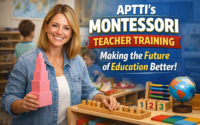
A professional Montessori Teacher Training equips teachers with the skills needed to guide young learners during their most important developmental years. From classroom observation to activity-based learning techniques, this training prepares educators to create meaningful learning environments.
The early childhood education sector is expanding rapidly across the world. Parents today expect preschools to follow structured teaching methods that focus on creativity, independence, and child-centred learning. One of the most respected educational approaches used globally is the Montessori method.
This growing demand has led many aspiring teachers to ask an important question: Is Montessori Teacher Training mandatory to teach in preschool?
Understanding Montessori Teacher Training and Its Importance
The Montessori method focuses on hands-on learning, independence, and respect for a child’s natural psychological development. Teachers trained in this method are not traditional instructors but guides who facilitate learning.
A professional Montessori Training Course helps educators understand how to apply Montessori principles in real classrooms.
Key concepts taught during the training include:
- Child-centred teaching methods
- Practical life activities
- Sensory learning techniques
- Language and cognitive development
- Classroom observation skills
- Child psychology and behaviour understanding
Schools increasingly prefer candidates who have completed a Montessori Course Online because trained teachers can implement structured learning strategies that benefit children’s growth.
Detailed Overview of a Montessori Teacher Training Course
A well-structured Montessori Teacher Training Course covers both theoretical knowledge and practical teaching techniques. The curriculum is designed to help teachers understand how children learn during early childhood.
Typical course modules include:
Child Psychology and Development in Montessori Teacher Training
Teachers learn how children develop cognitively, socially, and emotionally during their preschool years. Understanding these developmental stages helps educators plan suitable learning activities.
Montessori Teaching Methodology
This module focuses on Montessori principles such as independence, self-learning, and respect for each child’s pace of learning.
Classroom Environment and Learning Materials
Teachers learn how to prepare Montessori classrooms with educational materials that encourage exploration and discovery.
Practical Life Activities in Montessori Training Online
These activities help children develop motor skills, independence, and confidence through everyday tasks such as pouring, sorting, and organising.
Language and Cognitive Development
Educators learn how to build language skills and encourage curiosity through storytelling, phonetics, and interactive learning exercises.
Many aspiring teachers prefer Montessori Training Online because it offers flexibility while still covering these essential teaching techniques.
For those looking for a structured certification program, institutions like Aspiring Professional Teacher Training Institute (APTTI) offer comprehensive programs designed for modern educators.
Benefits of Completing Montessori Teacher Training
Completing a Montessori Teacher Training Course offers several professional and personal benefits. Trained teachers are better equipped to support children’s development and build rewarding teaching careers.
Key benefits include:
- Strong understanding of early childhood education
- Better classroom management skills
- Increased job opportunities in preschools
- Professional credibility in the education sector
- Ability to teach in international schools
- Opportunity to work in daycare centres and learning centres
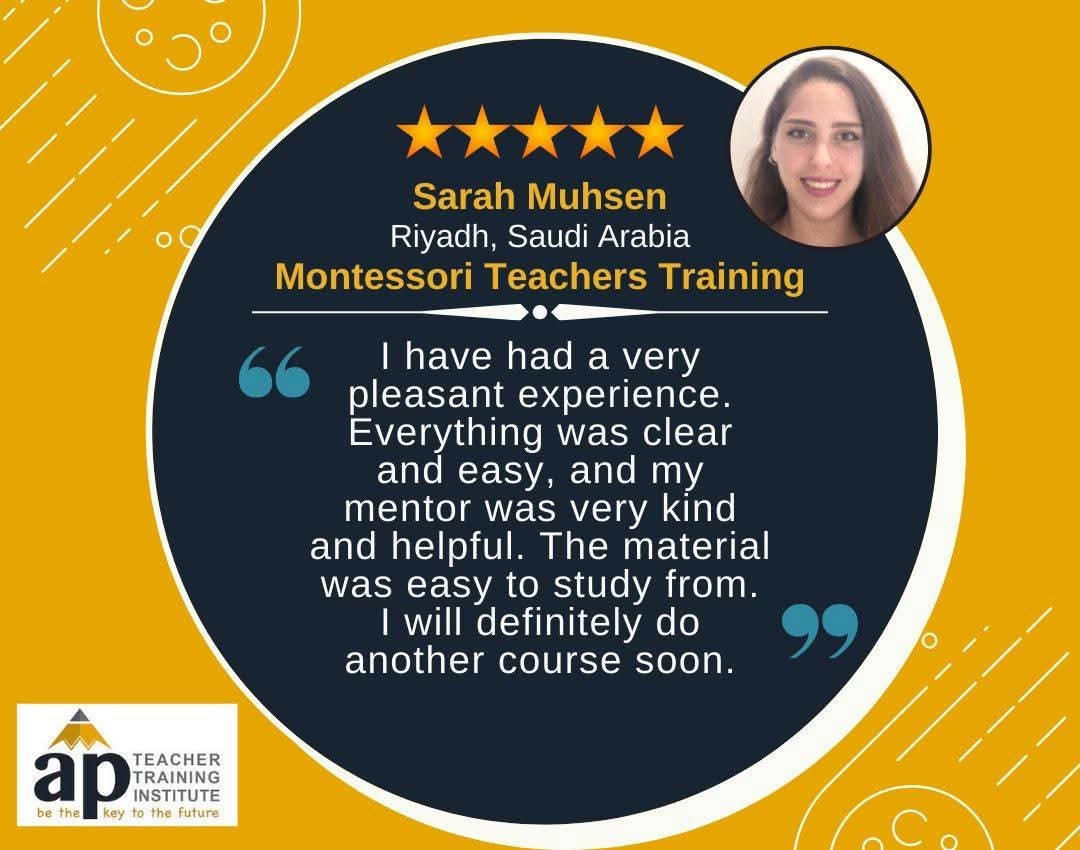
Teachers who complete a Montessori Course Online often find it easier to secure positions because schools prefer educators who are professionally trained.
Career Opportunities After Montessori Training Online
After completing Montessori Teacher Training, educators can explore a variety of career paths in early childhood education.
Common career roles include:
- Preschool teacher
- Montessori educator
- Early childhood facilitator
- Child development specialist
- Daycare centre teacher
- Kindergarten instructor
- Private tutor for preschool children
Many trained educators also work internationally since Montessori education is recognized worldwide.
Below is an overview of typical salary ranges for Montessori-trained educators.
| Job Role | Average Monthly Salary |
|---|---|
| Preschool Teacher | ₹15,000 – ₹30,000 |
| Montessori Teacher | ₹20,000 – ₹40,000 |
| Kindergarten Teacher | ₹25,000 – ₹45,000 |
| Early Childhood Educator | ₹30,000 – ₹60,000 |
With experience and additional certifications, educators can also move into leadership roles such as curriculum coordinator or preschool director.
Step-by-Step Guide to Start Montessori Teacher Training
If you are planning to start a career in preschool education, following a clear path can help you succeed.
Step 1: Choose a Certified Montessori Training Course
Select a reputable institution that offers recognized certification and structured training modules.
Step 2: Decide Between Offline or Montessori Training Online
Online training offers flexibility and allows learners to study at their own pace while managing other responsibilities.
Step 3: Complete the Montessori Course Online Curriculum
Most programs include theory modules, teaching demonstrations, assignments, and classroom observation training.
Step 4: Receive Your Montessori Teacher Training Certification
After completing the course requirements, students receive certification that enhances their professional credibility.
Step 5: Apply for Preschool Teaching Positions
Certified educators can apply to preschools, international schools, and childcare centers.
Why Enroll in Montessori Teacher Training Today
The demand for trained preschool educators is increasing every year. Parents prefer schools that follow structured learning methods like Montessori education.
Completing Montessori Teacher Training provides several advantages:
- Builds professional teaching skills
- Increases employability in preschool education
- Offers opportunities to work globally
- Helps educators understand children’s learning behaviour
For beginners interested in early childhood education, enrolling in a Montessori Training Course is an excellent first step toward a fulfilling career.

Build a Flexible Teaching Career with Montessori Training Online
Many aspiring teachers choose Montessori Training Online because it allows them to study without leaving their current jobs or responsibilities.
Online programs provide:
- Flexible learning schedules
- Self-paced study modules
- Internationally relevant teaching techniques
- Career-focused certification
Completing a Montessori Course Online helps educators gain professional recognition and confidence in their teaching abilities.
Frequently Asked Questions About Montessori Teacher Training
Q1. Is Montessori training mandatory to teach in preschool?
No, Montessori training is not legally mandatory in every preschool, but many schools prefer trained teachers because they understand the Montessori teaching method and child-centred learning approach.
Q2. What qualification is required to become a preschool teacher?
Most preschools require a diploma or certification in Early Childhood Education, Montessori Teacher Training, or Nursery Teacher Training.
Q3. Can I teach preschool without a teacher training course?
Some small schools may allow it, but completing a teacher training course improves your job opportunities and teaching skills.
Q4. How long does Montessori teacher training take?
Montessori teacher training usually takes between 6 months and 1 year depending on the course level and training institute.
Q5. What is the salary of a Montessori trained teacher in India?
A Montessori trained teacher can earn between ₹15,000 and ₹45,000 per month depending on experience, city, and school type.
Q6. Is Montessori teacher training useful for international teaching jobs?
Yes, many Montessori certifications are internationally recognised and can help teachers apply for jobs in international schools.
Start Your Montessori Teacher Training Course Today
Professional training helps educators build the skills needed to create nurturing learning environments where children can grow intellectually, socially, and emotionally.
Starting your journey with a trusted institute can provide both practical knowledge and globally recognised certification.
Explore certified programs offered by Aspiring Professional Teacher Training Institute (APTTI) and take the first step toward becoming a qualified Montessori educator.