Ace Your Special Ed Training: A Roadmap for Aspiring Teachers
Introduction to Special Educational Needs Training for Future Educators
Choosing a career in Special Educational Needs education is more than a professional decision. It is a commitment to inclusion, empathy, and meaningful impact. As classrooms become more diverse, the demand for trained special educators continues to rise across schools, learning centers, and global education platforms.
This blog walks you through training options, career benefits, and how Special Educational Needs Online can shape your future in education.
Detailed Course Description of Special Educational Needs Courses
What Are Special Educational Needs Courses and Why They Matter
Special Educational Needs Courses are designed to prepare educators to support learners with diverse cognitive, emotional, physical, and behavioural needs. These programs combine theory with practical strategies that can be applied directly in real classrooms.
A well-structured Special Educational Needs Training program typically covers:
-
Understanding learning disabilities and developmental delays
-
Inclusive teaching strategies for primary classrooms
-
Individualized education plans and assessment methods
-
Classroom management and behaviour support
-
Parent and school collaboration techniques
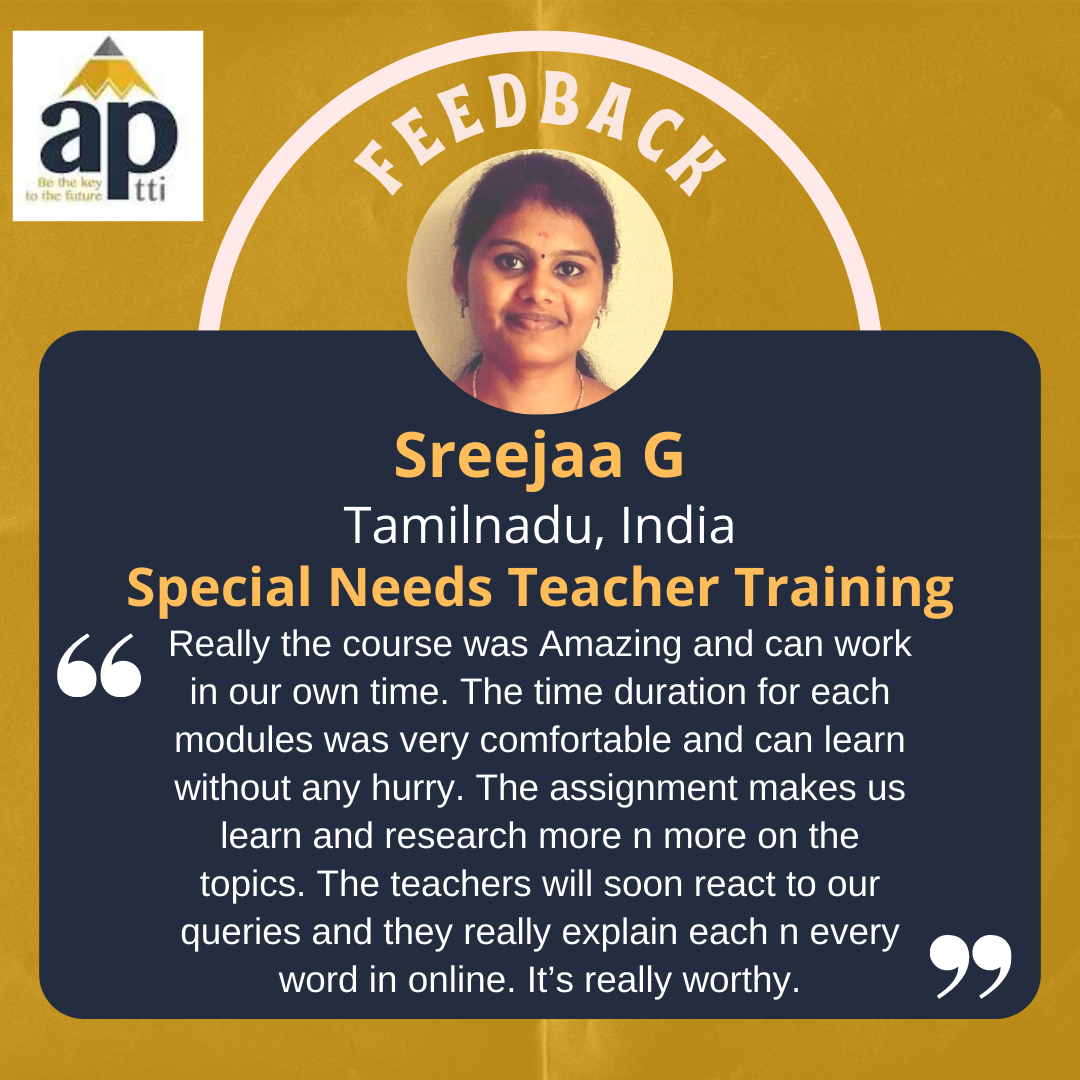
Many aspiring teachers now prefer Special Educational Needs Degree because they offer flexibility without compromising depth or quality.
Learning Formats and Certification Pathways
You can pursue Special Educational Needs education through multiple formats:
-
Certificate-based Special Educational Needs Courses
-
Diploma or advanced training programs
-
A full Special Educational Needs for long-term academic growth
-
Online training with international recognition
Benefits and Career Opportunities in Special Educational Needs Education
Why Special Educational Needs Training Is a Smart Career Move
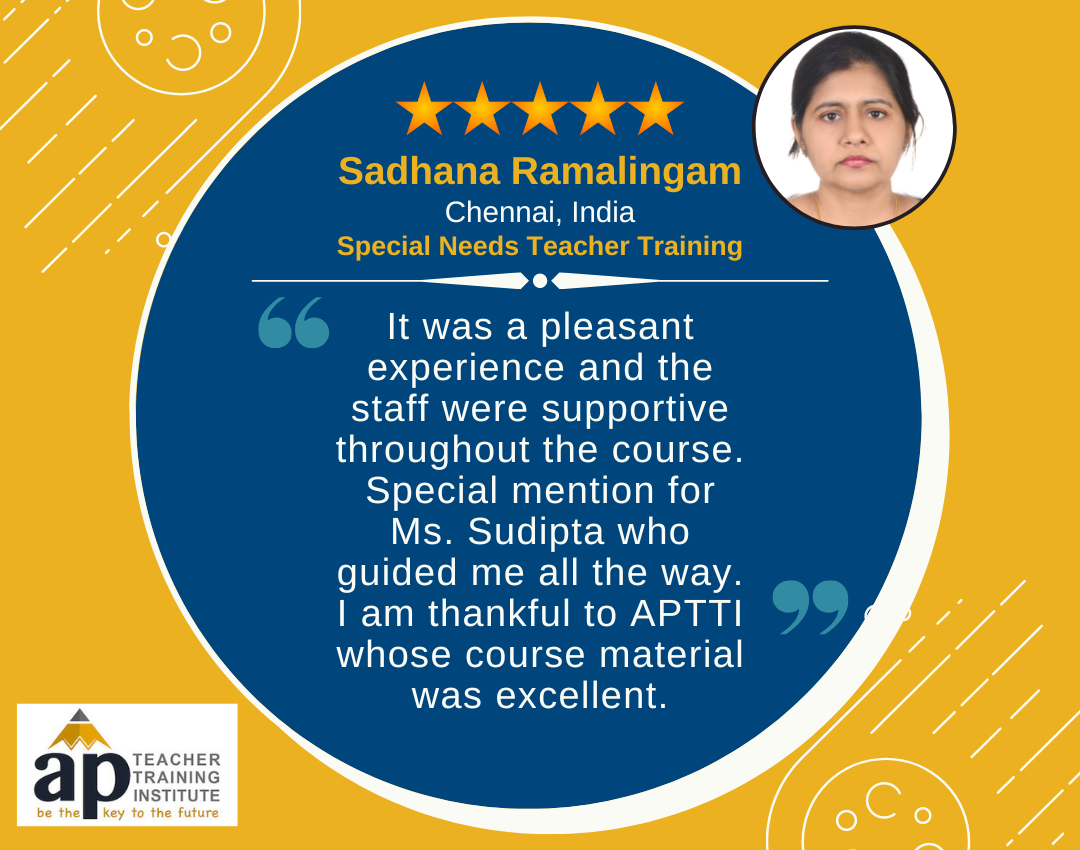
Investing in Special Educational Needs Training opens doors to diverse and rewarding career paths. Schools worldwide are actively seeking educators trained in inclusive education.
Key benefits include:
-
High demand across private and international schools
-
Opportunities in early childhood and primary education
-
Career flexibility through online and hybrid teaching roles
-
Strong professional credibility with certification
Career Paths After Completing Special Educational Needs Courses
After completing Special Educational Needs Courses, you can explore roles such as:
-
Special education teacher
-
Learning support coordinator
-
Inclusion specialist in schools
-
Education consultant or trainer
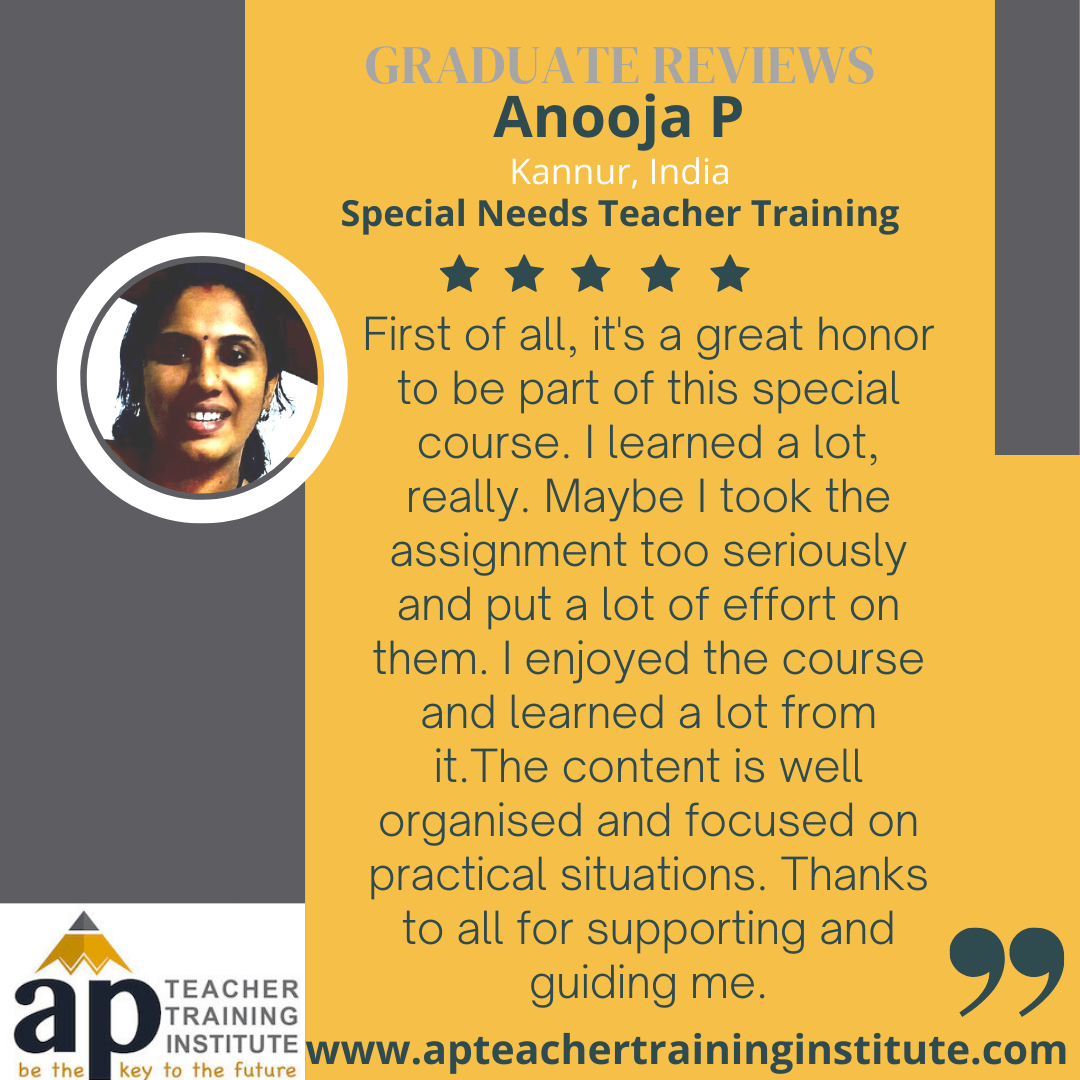
A recognized Special Educational Needs Degree or certification also enhances your profile for global teaching opportunities.
Step-by-Step Roadmap to Start Your Special Educational Needs Training
Step 1: Identify Your Teaching Goals
Before enrolling, clarify whether you want classroom teaching, online education, or international exposure. This helps you choose the right Special Educational Needs Courses.
Step 2: Choose Accredited Special Educational Needs Online Courses
Look for programs that offer:
-
Internationally relevant curriculum
-
Practical case studies
-
Certification with professional value
-
Flexible online learning access
Step 3: Build Practical Skills Alongside Theory
Effective Special Educational Needs Training focuses on application. Prioritize courses that include lesson planning, classroom scenarios, and assessment practice.
Step 4: Earn Certification and Build Credibility
Certification from a trusted institute strengthens your teaching profile and boosts employer trust.
Step 5: Apply Skills in Real Teaching Environments
Use your training to work in schools, learning centres, or online platforms. Continuous learning keeps your Special Educational Needs expertise relevant.
When Was Special Education Implemented?
Early Foundations (1700s–1800s)
-
Late 18th century: The first organized efforts to educate children with disabilities began in Europe.
-
Schools for deaf and blind learners were established in France and Germany.
-
Education was still charity-based, not a legal right.
Formal Development (1900s)
-
Early 20th century: Psychology and medicine helped identify learning disabilities and developmental delays.
-
Special schools and separate classrooms were created, though often segregated.
Legal Recognition (1950s–1970s)
-
1950s–60s: Growing awareness of civil rights highlighted inequality in education.
-
1975 (USA): Special education became law through legislation ensuring free and appropriate education for children with disabilities.
-
This period marked the shift from exclusion to legal entitlement.
Global Expansion (1980s–2000s)
-
Many countries adopted special education laws and inclusive policies.
-
Teacher training programs and Special Educational Needs training became standardized.
-
Inclusive education started replacing segregated systems.
Modern Era (2000s–Present)
-
Focus moved toward inclusive classrooms, individualized support, and accessibility.
-
Growth of Special Educational Needs Online Courses made training accessible worldwide.
-
Special education is now considered a core part of quality education systems.
Why Was Special Education Implemented?
1. Equal Right to Education
Children with disabilities were historically excluded from schools. Special education was implemented to ensure equal access to learning for all students.
2. Recognition of Diverse Learning Needs
Not all children learn the same way. Special education addresses:
-
Learning disabilities
-
Autism spectrum conditions
-
Physical and sensory impairments
-
Emotional and behavioural challenges
3. Social Justice and Human Rights
Education systems recognized that denying education based on disability violated basic human rights.
4. Need for Trained Teachers
General teaching methods were not enough. This led to structured Special Educational Needs Courses and professional training for educators.
5. Better Long-Term Outcomes
Research showed that early intervention and tailored education improve:
-
Academic achievement
-
Independence
-
Social integration
-
Employment opportunities
Frequently Asked Questions About Special Education Needs Courses
Q: What is Special Education Needs Courses online?
A: Special Educational Needs Courses online are flexible programs that train teachers to support diverse learners through theory and practical strategies with remote study and certification.
Q: Who should enroll in Special Education Needs Training?
A: Special Educational Needs Training is ideal for aspiring teachers, early childhood educators, primary teachers, and professionals working in inclusive education settings.
Q: Are Special Education Needs Courses certification recognized?
A: Yes, accredited Special Educational Needs Courses offer internationally aligned certification that enhances professional credibility and career prospects.
Q: Can I pursue a Special Education Needs Degree after certification?
A: Yes, certificate and diploma programs can serve as a pathway toward a full Special Educational Needs Degree for advanced academic growth.
Q: What career outcomes can I expect after Special Education Needs Courses?
A: Graduates can work as special educators, learning support teachers, inclusion coordinators, or online tutors globally.
Build Professional Credibility with Certification
Certified Special Education Needs Training adds credibility to your resume and reassures employers, schools, and parents of your expertise in inclusive education.
Disclaimer
The information provided in this blog, is intended for general informational purposes only. Teaching certification and licensing requirements vary by country, state, and governing authority, and they are subject to change without prior notice.