Early Intervention Strategies: Online Training for Special Education Specialists
dEarly childhood is the most critical phase of human development. For children with developmental delays, learning disabilities, or behavioural challenges, early intervention can define the course of their academic, emotional, and social future. This growing need has led to a rising demand for trained professionals through special education courses that focus on early identification and timely support.
With digital learning expanding rapidly, online training now empowers aspiring educators, therapists, and caregivers to gain professional skills from anywhere. Online training in early intervention is not only convenient—it is transformative. It equips specialists with practical tools to support children during their most sensitive learning years.
What Is Early Intervention in Special Education?
Early intervention refers to targeted educational, therapeutic, and behavioural support provided to children from birth to age eight who show developmental delays or disabilities. These services address:
• Speech and language delays
• Autism spectrum disorders
• Learning disabilities
• Behavioural challenges
• Sensory processing difficulties
Through structured guidance, early intervention strengthens cognitive, social, emotional, and motor skills. Research from the Centres for Disease Control and Prevention (CDC) confirms that early intervention significantly improves learning outcomes and independence (cdc.gov).
Professionals trained through special education needs courses learn how to observe developmental milestones, screen learning difficulties, and design personalized intervention plans for children.
Why Early Intervention Is Critical for Special Education Needs Children?
The brain develops most rapidly during the first five years of life. This window allows educators and therapists to shape learning capacities effectively. Delayed support often results in long-term academic struggles, social isolation, and emotional stress.
Key Benefits of Early Intervention
• Faster development of communication and social skills
• Better school readiness
• Improved independence
• Reduced need for long-term special education support
• Stronger family involvement and confidence
According to UNICEF, early childhood support delivers the highest return on educational investment globally (unicef.org). This reinforces the growing importance of well-trained specialists educated through certified special education diplomas.
How Online Training Prepares Early Intervention Specialists
With education becoming increasingly digital, special education courses online now provide job-oriented skills with unmatched flexibility. These programs blend theory with real-world application through:
• Case-based learning
• Child psychology fundamentals
• Developmental assessment techniques
• Behavioural modification methods
• Inclusive classroom strategies
Online training allows professionals to balance studies with work, making it ideal for:
• Preschool teachers
• Shadow teachers
• School counsellors
• Therapy assistants
Career Scope After Completing Special Education Courses
The demand for trained professionals is growing across mainstream schools, therapy centers, NGOs, and international institutions. Completing accredited special education courses opens doors to roles such as:
• Early intervention specialist
• Autism support therapist
• Learning support educator
• Developmental therapy assistant
• Inclusive education consultant
Globally, organizations like the World Health Organization (WHO) emphasize strengthening early childhood disability services to reduce lifelong dependency (who.int). This global mandate fuels consistent demand for qualified professionals.
Additionally, those holding recognized special education diplomas can access better salary packages, leadership roles, and international career opportunities.
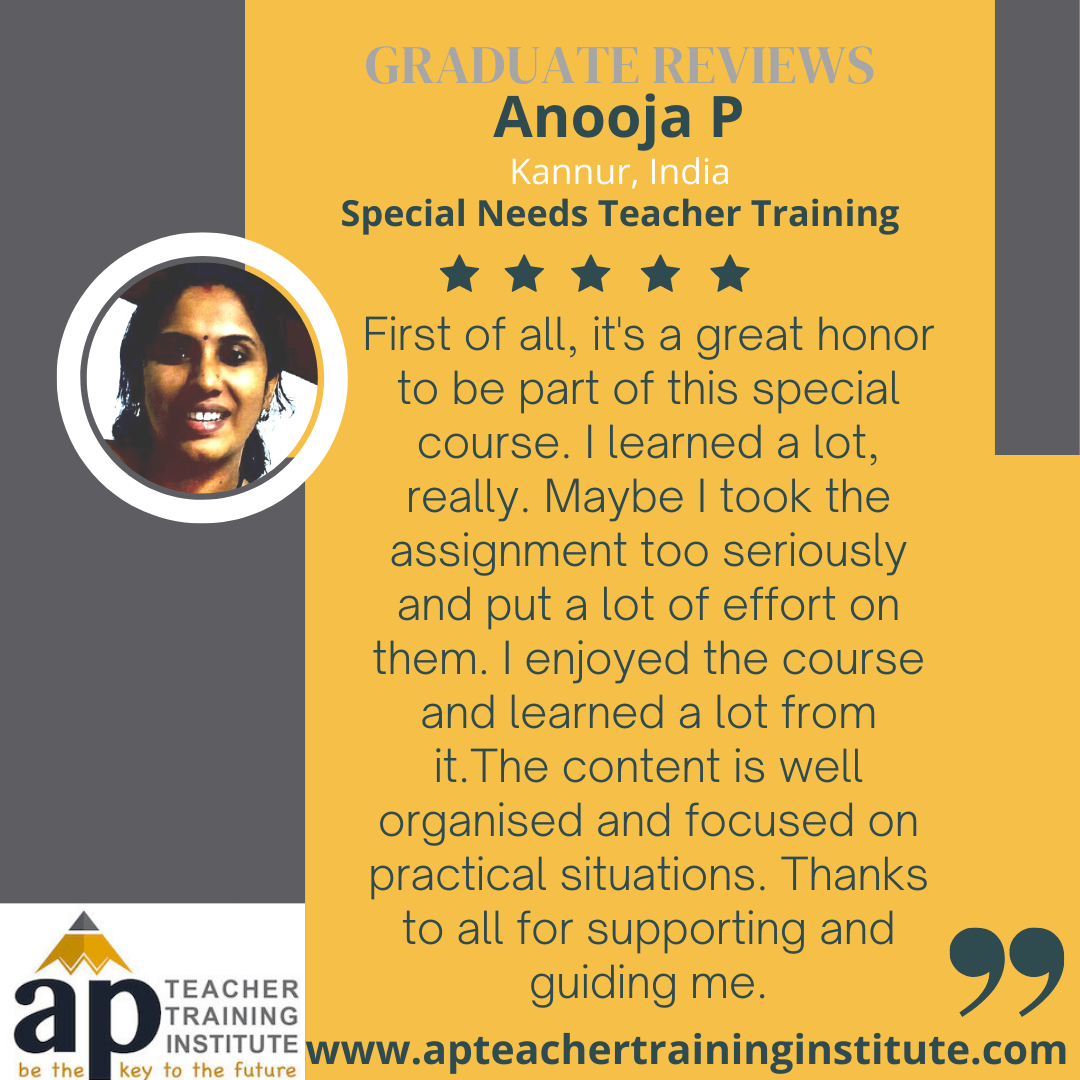
Who Should Enroll in Special Education Needs Courses Online?
These courses are ideal for:
• Aspiring teachers
• Preschool and kindergarten educators
• School support staff
• Psychology graduates
• Homemakers seeking a meaningful career
No prior experience in special education is required for many foundation programs. Online training makes entry into the field both accessible and affordable.
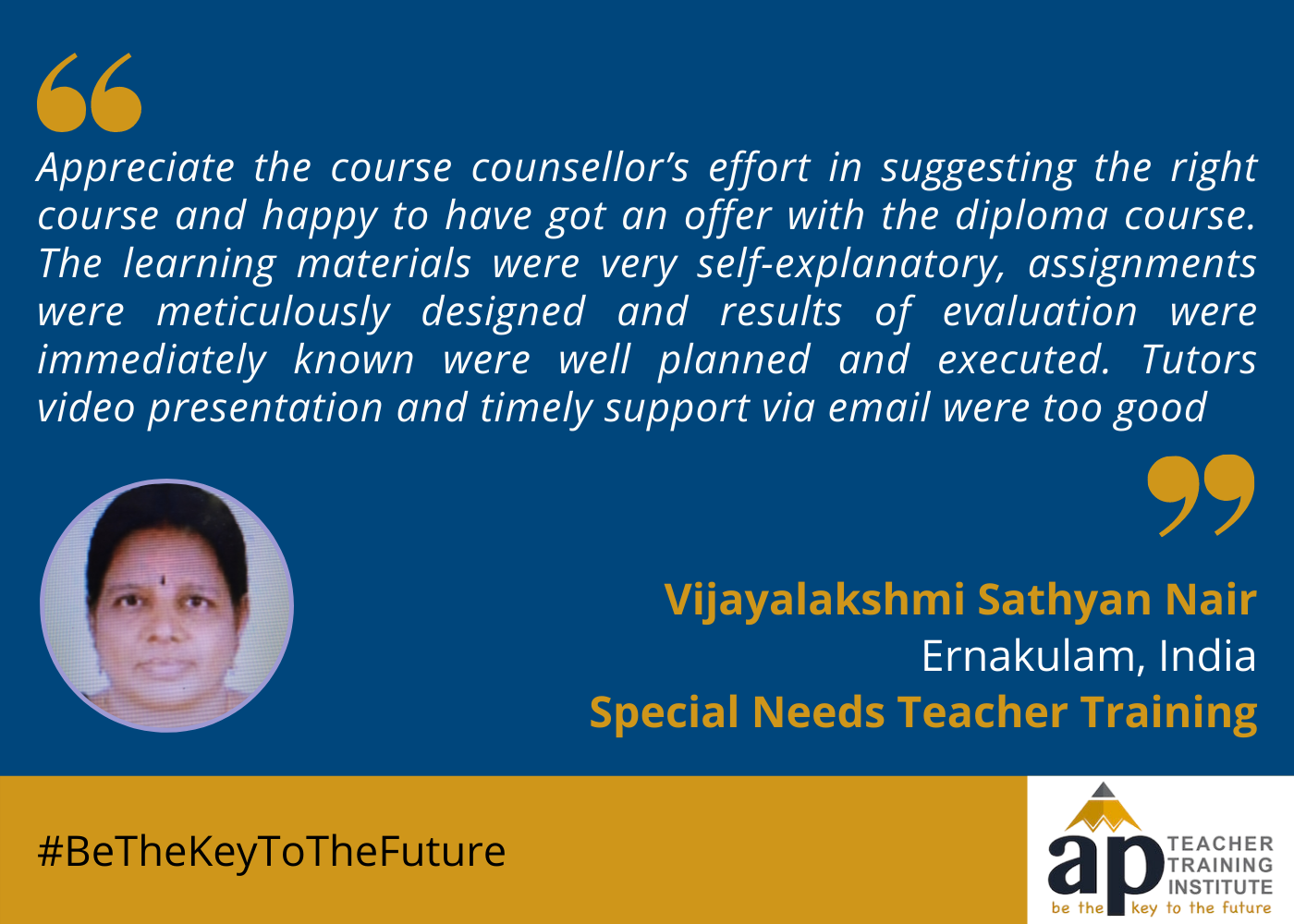
Upgrade Your Skills with Certified Special Education Diplomas
If you already work in education or therapy, advanced special education diplomas help you specialize further in autism, learning disabilities, and inclusive teaching strategies. These diplomas elevate your professional credibility and salary prospects.
Employers actively prefer candidates with formal certification due to the technical and psychological sensitivity involved in special education needs.
Key Skills You Gain Through Special Education Courses Online
• Behavioural assessment and intervention planning
• Individualized Education Program (IEP) design
• Classroom accommodation strategies
• Parent counseling techniques
• Assistive learning technology usage
• Emotional and social development support
These competencies enable educators to handle diverse classrooms with confidence and compassion.
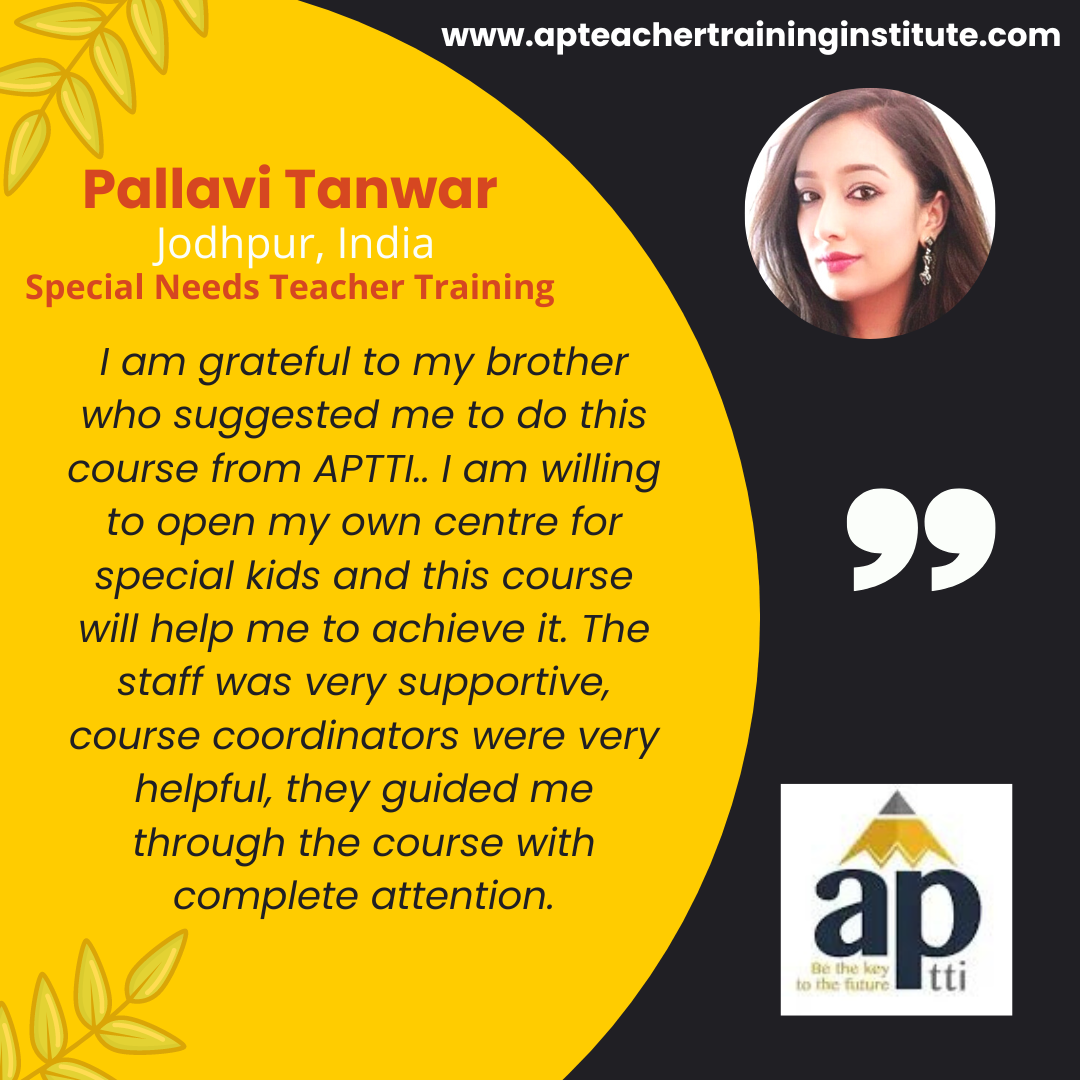
Why Choose Online Learning for Special Education?
• Flexible study schedules
• Learn from anywhere
• Cost-effective certification
• Industry-relevant curriculum
• Practical learning modules
• Global career acceptance
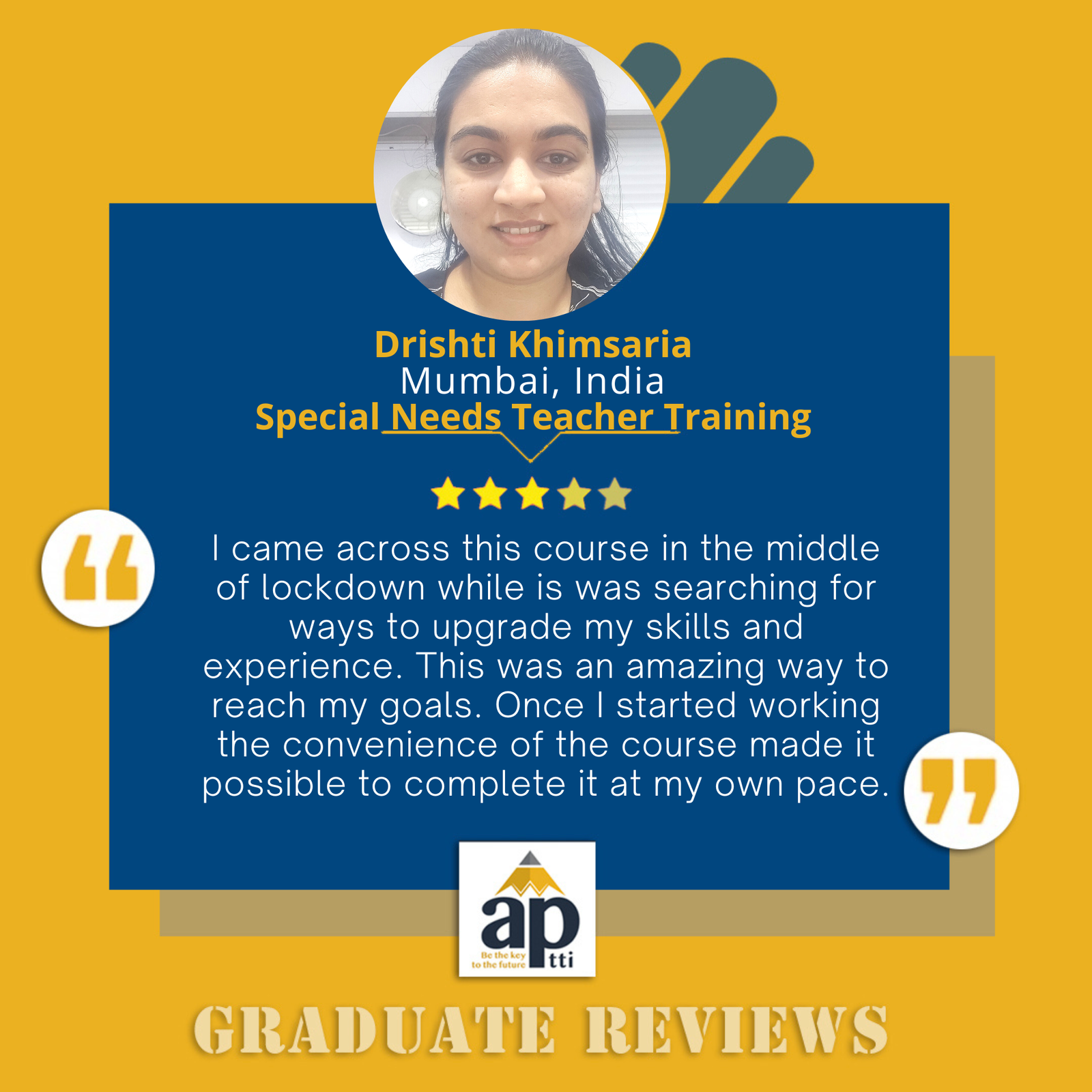
Frequently Asked Questions (FAQ)
Q1. What are special education needs courses?
Special education needs courses train educators to support children with learning disabilities, developmental delays, and behavioural challenges.
Q2. Are special education needs courses online recognized?
Yes, accredited special education needs courses online are widely accepted by schools and therapy centres.
Q3. Who can enroll in special education needs courses online?
Teachers, graduates, parents, and aspiring educators can enroll without prior special education experience.
Q4. What is the duration of special education needs diplomas?
Most special education needs diplomas range from 6 to 12 months depending on specialization.
Q5. What career options are available after these courses?
Graduates can work as early intervention specialists, learning support teachers, therapy assistants, or inclusive educators.
Q6. Do I need a teaching background to enroll in special education needs courses?
No, many special education needs courses are open to beginners and do not require prior teaching experience.
Q7. Can I work internationally after completing special education needs courses online?
Yes, recognized certifications allow candidates to explore global teaching and therapy opportunities.
Q8. What skills will I gain from special education needs courses online?
You will gain skills in behavioural management, developmental assessment, inclusive teaching methods, and child psychology.
Apply Now and Become a Certified Early Intervention Specialist
If you are passionate about creating real change in children’s lives, early intervention training is your most powerful step forward.
Conclusion
With inclusive education becoming mandatory in many countries, trained early intervention professionals will remain in high demand. Governments, international NGOs, and educational institutions continue investing in inclusive infrastructure and specialized teaching resources.
This means long-term job security, career advancement, and global mobility for individuals trained through special education courses.